

How to upgrade a reflow oven?
Hey there! As a reflow oven supplier, I often get asked about how to upgrade a reflow oven. It's a common concern for many folks in the electronics manufacturing industry, whether you're a small-scale hobbyist or running a large production line. Upgrading your reflow oven can improve its performance, efficiency, and reliability, which ultimately leads to better-quality soldering and cost savings in the long run. In this blog post, I'll share some tips and tricks on how to upgrade your reflow oven like a pro.
Why Upgrade Your Reflow Oven?
Before we dive into the upgrade process, let's talk about why you might want to upgrade your reflow oven in the first place. Here are some common reasons:
- Improve Performance: If your current reflow oven is struggling to reach the desired temperature or maintain a stable temperature profile, upgrading can help. Newer models often come with advanced heating elements, better insulation, and more precise temperature control systems, which can result in more consistent and accurate soldering.
- Increase Efficiency: Upgrading your reflow oven can also improve its energy efficiency, reducing your operating costs. Newer models are designed to use less energy while still providing the same level of performance, which can save you money in the long run.
- Enhance Reliability: If your reflow oven is old or has been experiencing frequent breakdowns, upgrading can help. Newer models are typically more reliable and come with longer warranties, giving you peace of mind and reducing downtime.
- Meet New Requirements: As your business grows or your manufacturing processes change, you may need to upgrade your reflow oven to meet new requirements. For example, you may need a larger oven to accommodate larger PCBs or a more advanced oven with features like nitrogen atmosphere control for high-end applications.
Assessing Your Current Reflow Oven
The first step in upgrading your reflow oven is to assess its current condition and performance. Here are some things to consider:
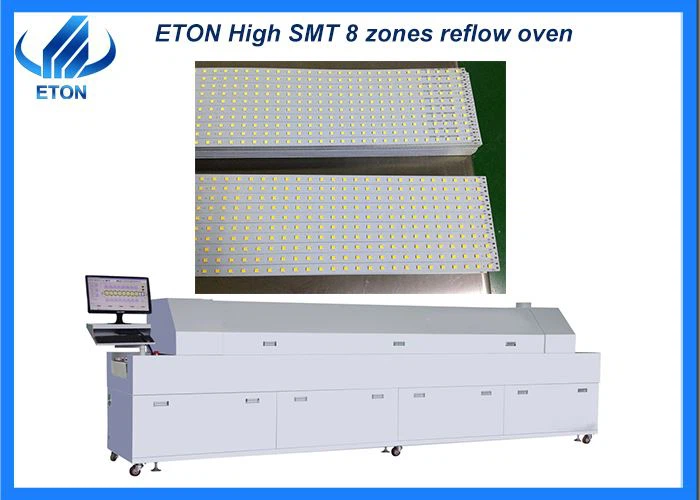

- Age and Condition: How old is your reflow oven, and what is its overall condition? If it's an older model, it may be more prone to breakdowns and may not have the latest features and technology.
- Temperature Profile: Does your reflow oven have a stable and accurate temperature profile? If not, it may be time to upgrade to a model with better temperature control.
- Heating Elements: Are the heating elements in your reflow oven working properly? If they're worn out or damaged, they may need to be replaced.
- Insulation: Is your reflow oven well-insulated? Poor insulation can result in heat loss, which can increase your energy consumption and reduce the oven's performance.
- Control System: Does your reflow oven have a user-friendly control system? If not, upgrading to a model with a more advanced control system can make it easier to operate and maintain.
Choosing the Right Upgrade
Once you've assessed your current reflow oven, it's time to choose the right upgrade. Here are some things to consider:
- Budget: How much are you willing to spend on an upgrade? Upgrading your reflow oven can range from a few hundred dollars to several thousand dollars, depending on the type of upgrade you choose.
- Features: What features do you need in your reflow oven? Some common features include advanced temperature control, nitrogen atmosphere control, conveyor speed control, and automatic cleaning systems.
- Size and Capacity: How large of a reflow oven do you need? Consider the size of your PCBs and the volume of production you need to handle.
- Compatibility: Will the upgrade be compatible with your existing equipment and processes? Make sure to choose an upgrade that is compatible with your current reflow oven and other equipment.
Types of Reflow Oven Upgrades
There are several types of reflow oven upgrades available, depending on your needs and budget. Here are some common upgrades:
- Heating Elements: Upgrading the heating elements in your reflow oven can improve its performance and efficiency. Newer heating elements are designed to heat up faster, maintain a more stable temperature, and use less energy.
- Insulation: Adding insulation to your reflow oven can reduce heat loss and improve its energy efficiency. Insulation can also help to maintain a more stable temperature profile, resulting in more consistent and accurate soldering.
- Temperature Control System: Upgrading the temperature control system in your reflow oven can improve its accuracy and stability. Newer temperature control systems use advanced sensors and algorithms to monitor and adjust the temperature in real-time, ensuring that the oven maintains a consistent temperature profile.
- Conveyor System: Upgrading the conveyor system in your reflow oven can improve its throughput and efficiency. Newer conveyor systems are designed to move PCBs through the oven faster and more smoothly, reducing the time it takes to complete a soldering cycle.
- Nitrogen Atmosphere Control: Adding nitrogen atmosphere control to your reflow oven can improve the quality of your soldering. Nitrogen atmosphere control helps to prevent oxidation and reduce the formation of solder balls, resulting in cleaner and more reliable soldering.
Installation and Maintenance
Once you've chosen the right upgrade for your reflow oven, it's time to install it. If you're not comfortable installing the upgrade yourself, it's recommended that you hire a professional technician to do it for you. A professional technician will have the experience and expertise to install the upgrade correctly and ensure that it's working properly.
After the upgrade is installed, it's important to maintain your reflow oven regularly to ensure that it continues to perform at its best. Here are some maintenance tips:
- Clean the Oven: Regularly clean the inside of your reflow oven to remove any dirt, debris, or solder residue. This will help to prevent clogs and ensure that the oven is working properly.
- Check the Heating Elements: Periodically check the heating elements in your reflow oven to make sure they're working properly. If you notice any signs of wear or damage, replace the heating elements as soon as possible.
- Calibrate the Temperature Control System: Periodically calibrate the temperature control system in your reflow oven to ensure that it's accurate. This will help to ensure that the oven maintains a consistent temperature profile and produces high-quality soldering.
- Lubricate the Conveyor System: Regularly lubricate the conveyor system in your reflow oven to ensure that it's moving smoothly. This will help to prevent wear and tear on the conveyor system and ensure that it's working properly.
Conclusion
Upgrading your reflow oven can be a great way to improve its performance, efficiency, and reliability. By following the tips and tricks outlined in this blog post, you can choose the right upgrade for your needs and budget, install it correctly, and maintain it properly to ensure that it continues to perform at its best.
If you're interested in upgrading your reflow oven or learning more about our products, please check out our 1200KG High-speed Electronic Manufacturing Reflow Oven Machine, 8 Zones SMT Refolw Oven Equipment, and Reflow Oven For SMD SMT Reflow Soldering. We offer a wide range of reflow ovens and upgrades to meet the needs of any electronics manufacturing operation. Contact us today to learn more and start upgrading your reflow oven!
References
- "Reflow Oven Technology and Applications." Electronic Packaging and Production Magazine.
- "How to Choose the Right Reflow Oven for Your Application." Circuit Assembly Magazine.
- "Reflow Oven Maintenance and Troubleshooting." Smtnet.com.