

How to clean a Smt Machine?
How to Clean a SMT Machine
As a trusted SMT machine supplier, I understand the significance of maintaining SMT machines in top - notch condition. A clean SMT machine not only ensures higher production efficiency but also extends the machine's lifespan and improves the quality of the manufactured products. In this blog post, I will share some essential steps and tips on how to clean an SMT machine.
Pre - cleaning Preparations
Before starting the cleaning process, it is crucial to take every necessary precaution. First and foremost, make sure to power off the machine and unplug it from the electrical source. This eliminates the risk of electric shock and damage to the machine due to sudden power surges. Gather all the cleaning tools and materials required, such as lint - free cloths, cleaning solvents recommended by the machine manufacturer, soft brushes, and vacuum cleaners.
Cleaning the Conveyor System
The conveyor system is responsible for transporting the PCBs through the SMT machine. Over time, it can accumulate dust, solder residues, and debris, which can affect its smooth operation. To clean the conveyor, start by removing any obvious debris using a soft brush. Then, dampen a lint - free cloth with the appropriate cleaning solvent and gently wipe down the conveyor belts and rollers. For stubborn residues, you may need to use a more concentrated solution, but be sure to follow the manufacturer's instructions. Check the tension of the belts and adjust them if necessary to ensure proper movement.
Cleaning the Solder Paste Printing Area
The solder paste printing area is one of the most critical parts of an SMT machine. It is where the solder paste is applied to the PCB pads. Residual solder paste can clog the stencil and cause uneven printing, leading to soldering defects.
Begin by removing the stencil from the machine. Use a stencil cleaning machine if available; it can quickly and efficiently remove most of the solder paste. You can also soak the stencil in a specialized stencil cleaning solution for a short period. After soaking, brush the stencil gently with a soft brush to remove any remaining paste. Rinse the stencil thoroughly with de - ionized water and dry it completely before re - installing it.
For the print head, wipe it carefully with a solvent - dampened cloth. Pay special attention to the nozzles to ensure they are not blocked. You can use a small brush to clean the nozzle tips gently.
Cleaning the Pick - and - Place Heads
The pick - and - place heads are responsible for picking up components and placing them accurately on the PCB. These heads can accumulate dust, adhesive residues, and component debris.
Start by using a vacuum cleaner to remove loose debris from the pick - and - place heads. Then, use a soft brush to gently clean the nozzles and the surrounding areas. For more stubborn residues, apply a small amount of the recommended cleaning solvent on a lint - free cloth and carefully wipe the heads. Be extremely cautious not to damage the delicate nozzles or other components.
Cleaning the Oven
The reflow oven in an SMT machine is used to melt the solder paste and create the electrical connections between the components and the PCB. Over time, the oven can accumulate flux residues, solder splashes, and other contaminants.
First, turn off the oven and let it cool down completely. Remove any loose debris from the oven chamber using a vacuum cleaner. For the interior walls, use a cleaning solvent recommended for the oven and a lint - free cloth to wipe them down. Pay special attention to the heating elements and fans, as any build - up can affect their performance.
Cleaning the Machine's Exterior
The exterior of the SMT machine also requires regular cleaning. Dust and dirt can accumulate on the control panels, cabinets, and other external parts. Use a dry or slightly dampened cloth to wipe down the exterior surfaces. Avoid using abrasive materials that can scratch the machine's finish.
Frequency of Cleaning
The frequency of cleaning an SMT machine depends on several factors, such as the production volume, the type of components used, and the working environment. In a high - volume production environment, it may be necessary to clean the machine daily or weekly. In a low - volume setting, monthly cleaning may be sufficient. However, it is always a good practice to conduct a quick visual inspection of the machine before and after each production run to identify any potential issues.
Troubleshooting during Cleaning
During the cleaning process, you may encounter some problems. For example, if you find that a nozzle on the pick - and - place head is still blocked after cleaning, try using a specialized nozzle cleaner or ultrasonic cleaner. If the conveyor belt is slipping after cleaning, check the tension and the pulley system.
Benefits of Regular Cleaning
Regular cleaning of an SMT machine offers numerous benefits. It reduces the risk of component placement errors and soldering defects, which in turn improves the overall product quality. A clean machine also experiences fewer breakdowns and requires less maintenance, leading to lower operating costs. Additionally, it enhances the safety of the operators by reducing the risk of fire hazards caused by the build - up of flammable residues.
Conclusion
Cleaning an SMT machine is a crucial part of its maintenance. By following the steps and tips outlined in this blog post, you can keep your SMT machine in optimal condition. Whether you are involved in small - scale or large - scale production, regular cleaning will ensure the reliability and efficiency of your manufacturing process.
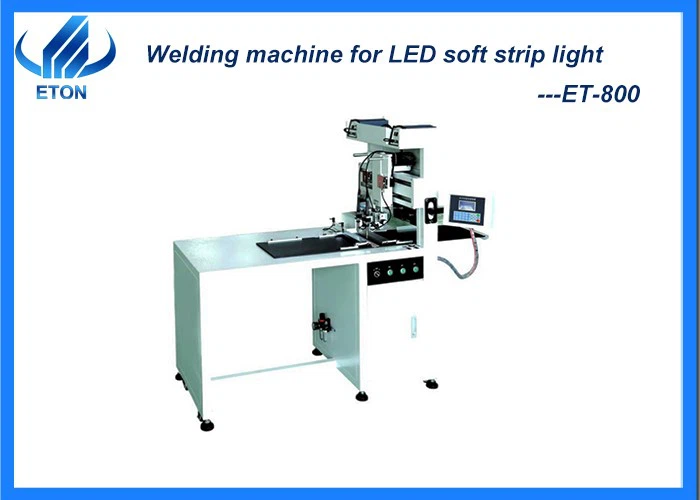
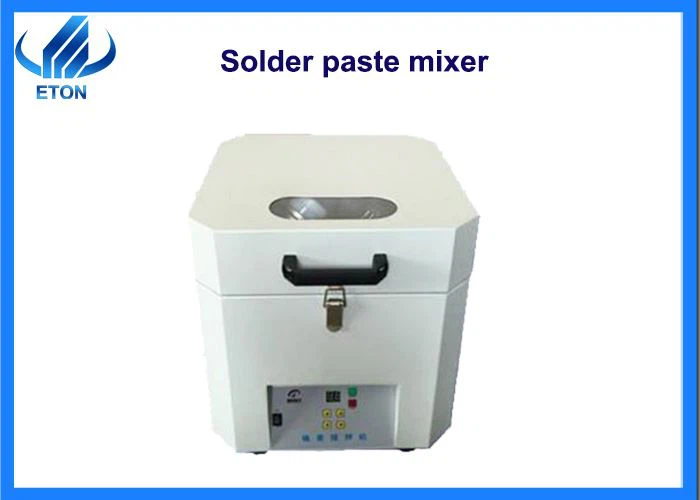
If you are interested in high - quality SMT machines such as the SMT Welding Machine For LED Strip Production, 500g Packaging Solder Paste Mixer, and 1600*1200mm LED Strip PCB SMT Welding Machine, feel free to reach out to discuss your procurement needs. We are committed to providing you with the best solutions for your SMT manufacturing requirements.
References
- "SMT Machine Maintenance Guide", Industry - standard manual.
- Journal of Electronic Manufacturing, "Impact of Cleaning on SMT Machine Performance".
- SMT Machine Manufacturer's Technical Documents.